
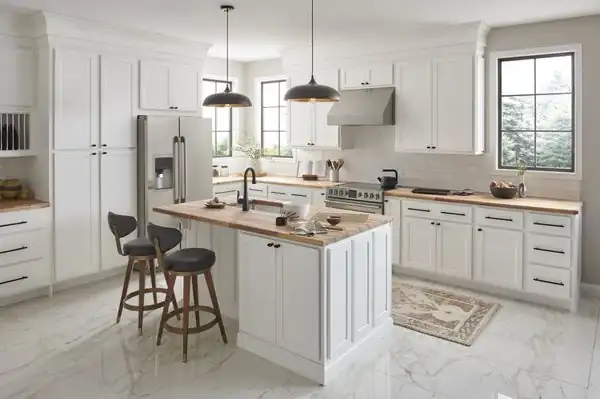
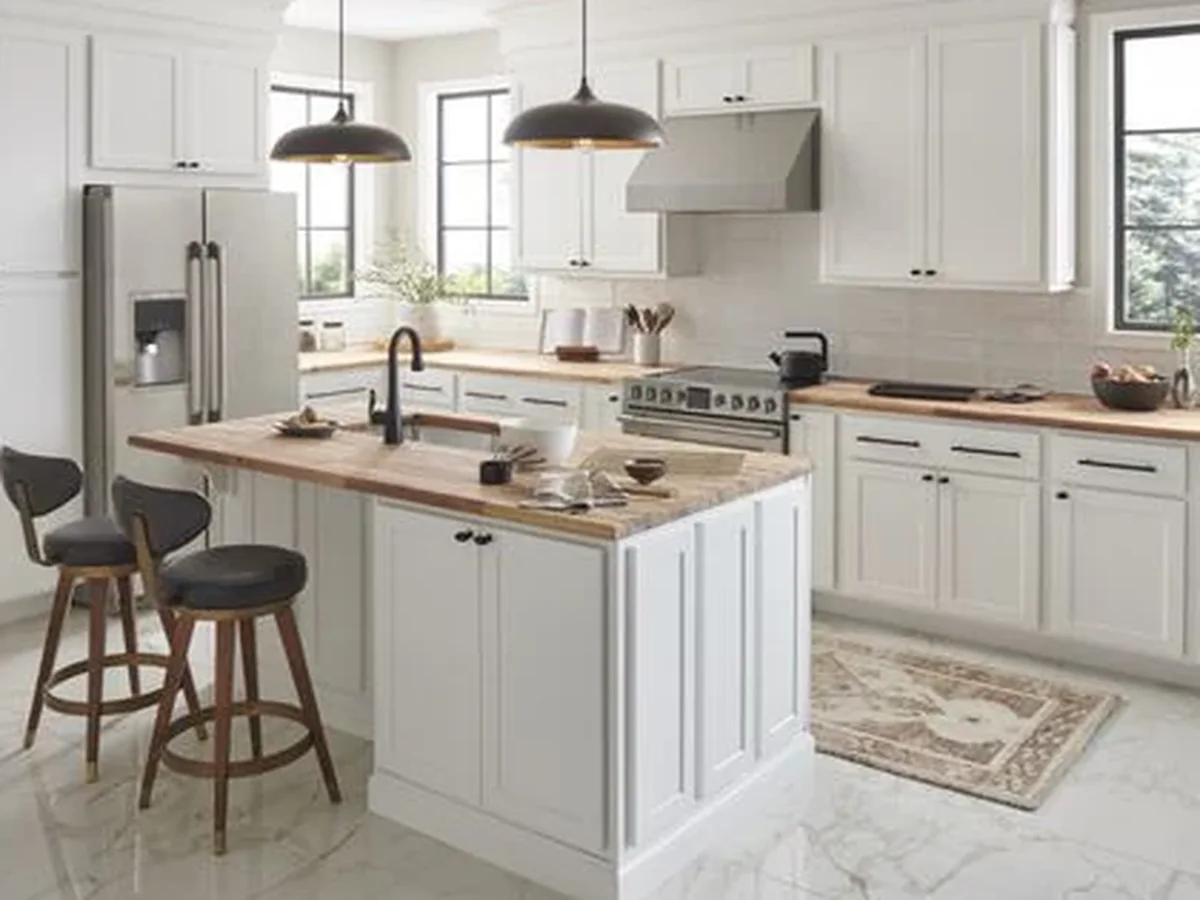
Remodeling Apple Valley homes for the way they are used now
Many Apple Valley homes have practical layouts from the 1970s through the early 2000s, but a closed kitchen, dated primary bath, or unfinished lower level may no longer fit the household. A thoughtful remodel can improve storage, lighting, and connections between rooms without erasing what already works.
Laghmich approaches each project as a coordinated design and construction plan. Cabinet clearances, fixture locations, material lead times, and the sequence of trades are considered together, so the finished space feels coherent rather than pieced together.
Plan for sloped lots, snow, and lower-level moisture
Apple Valley’s rolling lots and neighborhood ponds make drainage worth checking before a basement is finished or an addition is designed. Look at where downspouts discharge, whether soil slopes toward the foundation, and how a walkout or lookout lower level handles spring melt. Moisture sources should be addressed before new flooring and drywall conceal them.
Decks and outdoor living spaces also need details suited to freeze-thaw cycles and snow. Footings, ledger connections, stair lighting, and water-shedding surfaces matter as much as the view from the patio doors.
Understanding Apple Valley remodeling permits
Basement finishes, structural changes, additions, decks, and mechanical work can require permits depending on the scope. The City of Apple Valley Building Inspections page is the right place to confirm current submittal and inspection requirements before work begins. Review official Apple Valley permit guidance.
Remodeling services in Apple Valley
Explore kitchen remodeling, bathroom remodeling, basement finishing, room additions, deck design and installation, and whole-home renovations. Each service begins with your home’s actual conditions and a written project scope.
Apple Valley remodeling FAQs
Answers about local conditions, city permits, project costs, schedules, communication, and care for your home.
What should I check before finishing an Apple Valley basement?
Start outside. Confirm that gutters, downspouts, and grading move water away from the house, then look for efflorescence, musty odors, or past seepage inside. A finished lower level should also have suitable ceiling heights, safe exits for any sleeping room, and materials chosen with below-grade conditions in mind.
Do Apple Valley kitchen remodels always need a permit?
Not every cosmetic update does. Replacing cabinets and counters in the same locations is different from moving walls, plumbing, wiring, or ventilation. The exact scope determines the permits, so review the city guidance and have the requirements identified before demolition.
How will I know what is happening during my remodel?
The project should have one clear point of contact, a scope you can read, and a schedule that explains the next phase. Regular updates are especially useful when inspections, countertop templating, or special-order materials affect the sequence. You should not have to chase basic information about your own home.
What happens if a hidden condition changes the price?
Older framing, wiring, plumbing, or moisture damage can only be fully assessed after openings are made. When something unexpected appears, the condition, options, cost, and schedule effect should be explained and documented before extra work proceeds. Allowances and possible exclusions belong in the proposal from the start.
Explore remodeling in nearby communities
Compare local guidance for Burnsville, Eagan, Lakeville, or return to the full Twin Cities service-area directory.